AI at Work◆ AI Tip
The Model Gets Replaced. The Manual Doesn't.
I had the strongest model on my account write the operating manual its replacement runs on. Eight procedures. Any model. Yours to steal.
July 7, 20265m read
I had the strongest model on my account write the operating manual its replacement runs on. Eight procedures. Any model. Yours to steal.
Five habits — pulled from real production builds and sanitized — that keep an AI-assisted codebase alive instead of quietly rotting it. The rules behind the graphics.
Five rules for running like a one-person army — the leverage habits that let one operator with the right tools out-execute a whole team. The rules behind the graphics.

Most AI programs die in the gap between a good answer and a shipped decision. The model was never the bottleneck. The hand-off was.
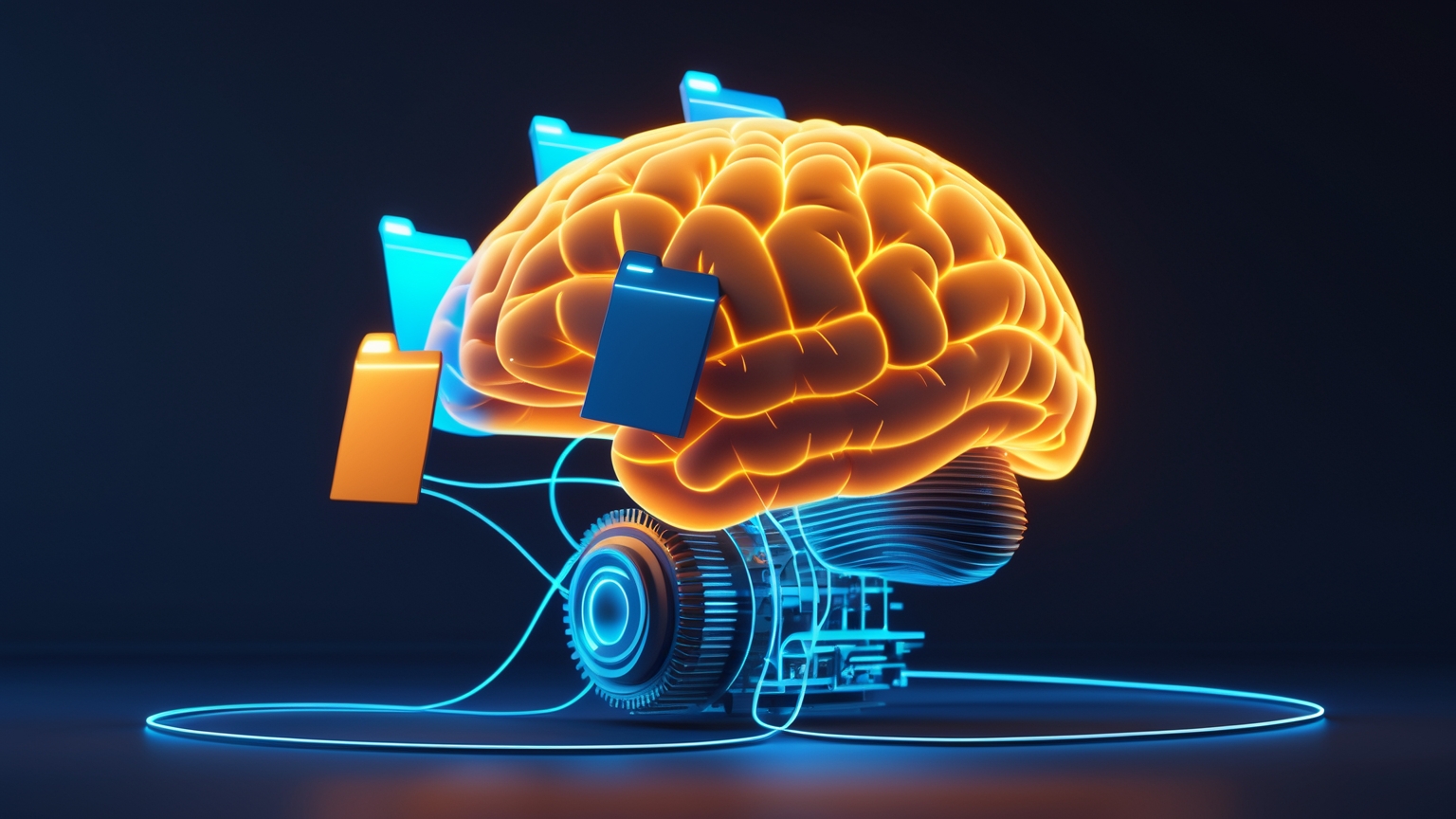
Anthropic's most powerful model just shipped, and the most instructive reaction came from someone who didn't rebuild anything. Nate Herk spent the day slotting Fable into the AI OS he'd already built — folders, markdown, and the Four Cs. That's the lesson.

Most AI initiatives fail after the demo because the organization cannot turn an answer into an owner, a decision, and a finished task.

If you sell hours, AI is a threat — it does in minutes what you used to bill for a day. If you sell judgment, it's the best junior analyst you'll ever hire. The difference is what you choose to keep doing by hand.

AI can't give you a point of view, and that's the only thing that matters. What it can do is take the one good idea you already had and reshape it into every format your audience lives in — so you stop publishing once and start showing up everywhere.

AI can take the documentation, the handouts, and the prior-auth paperwork off your plate — but it cannot diagnose, prescribe, or examine a patient, and treating it like it can is where doctors get hurt. Here's the line, and why it never moves.

AI will not argue your case, read your judge, or carry the duty you owe your client. It will get you to a first draft faster than you've ever worked — as long as nothing leaves your office without passing the one gate only you can stand at.

AI won't close your deals or build the trust that makes a buyer say yes. It will take the prospecting, research, and follow-up off your plate — the hours of desk work that sit between you and the conversations that actually move a number.

You don't need to 'adopt AI.' You need to hand off the five desk jobs eating your evenings — in order, starting with the one that pays back the most. Here's the ranked list, what each one actually does, and where it'll burn you if you trust it too far.

AI won't sell your listings or close your deals. It will hand you back the ten-plus hours a week you spend on the desk work around them — if you point it at the right tasks and keep it away from the wrong ones.
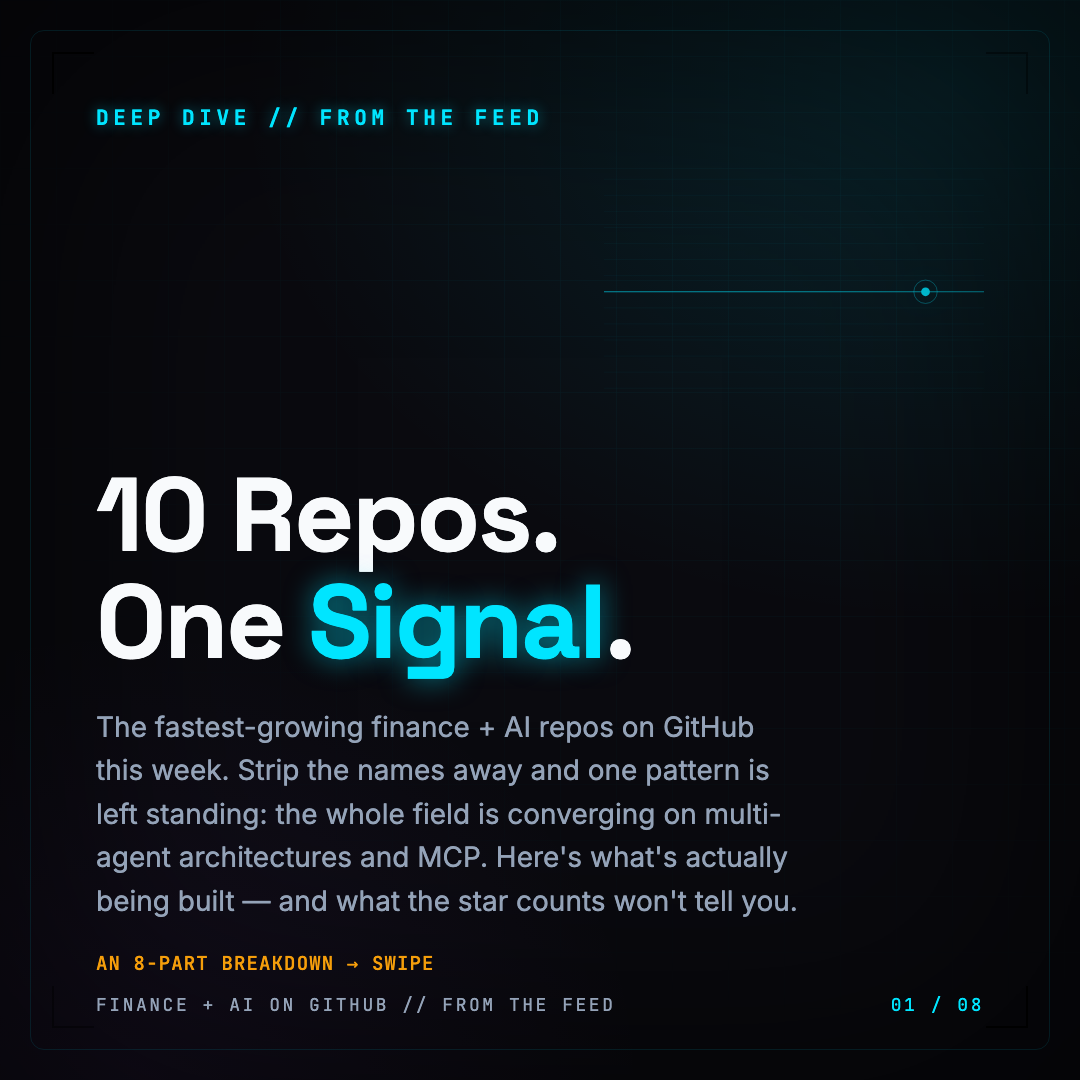
This week's fastest-growing finance + AI repos on GitHub. Strip the names away and one pattern is left standing: the whole field is converging on multi-agent architectures and MCP.
Every app switch was a context rebuild. AI with cross-platform memory doesn't just save time — it changes the fundamental economics of knowledge work.
Most people are still evaluating AI image models like toys. That mistake is expensive. The real shift is not quality, it is throughput.
The real breakthrough in image generation is not style. It is control. When a model can render legible text, preserve structure, and obey constraints, it stops being a toy and starts behaving like infrastructure.

I produced 1,060 hours of verified engineering output in 20 days. Not by coding faster — by commanding AI agents in parallel. Here's the audit trail.

We build 90% of our tools from scratch. Not because we're stubborn — because sovereignty compounds. Here's the framework we use to decide when to build, when to adopt, and how to integrate without creating dependency.

Most AI-built code ships fast and breaks faster. We fixed 100 bugs across 11 projects in one overnight session — autonomously. Here's the testing discipline that made that possible, and the course that teaches it.

AI wearables don't collect data the way your phone does — they collect ambient reality. The trust architecture that governs that data was never designed for what these devices actually capture.
Political prediction markets don't move on charts — they move on information. Hermes is a Python bot that scores political markets using Grok sentiment, Perplexity probability estimation, and calibration consensus from Metaculus and Manifold. Here's how it works.
Sports prediction is a solved problem for the books. It's wide open on Polymarket. Here's how I built Shiva — a 6-factor probability engine that finds edge in NBA and MLB markets using free public APIs and adaptive weights.
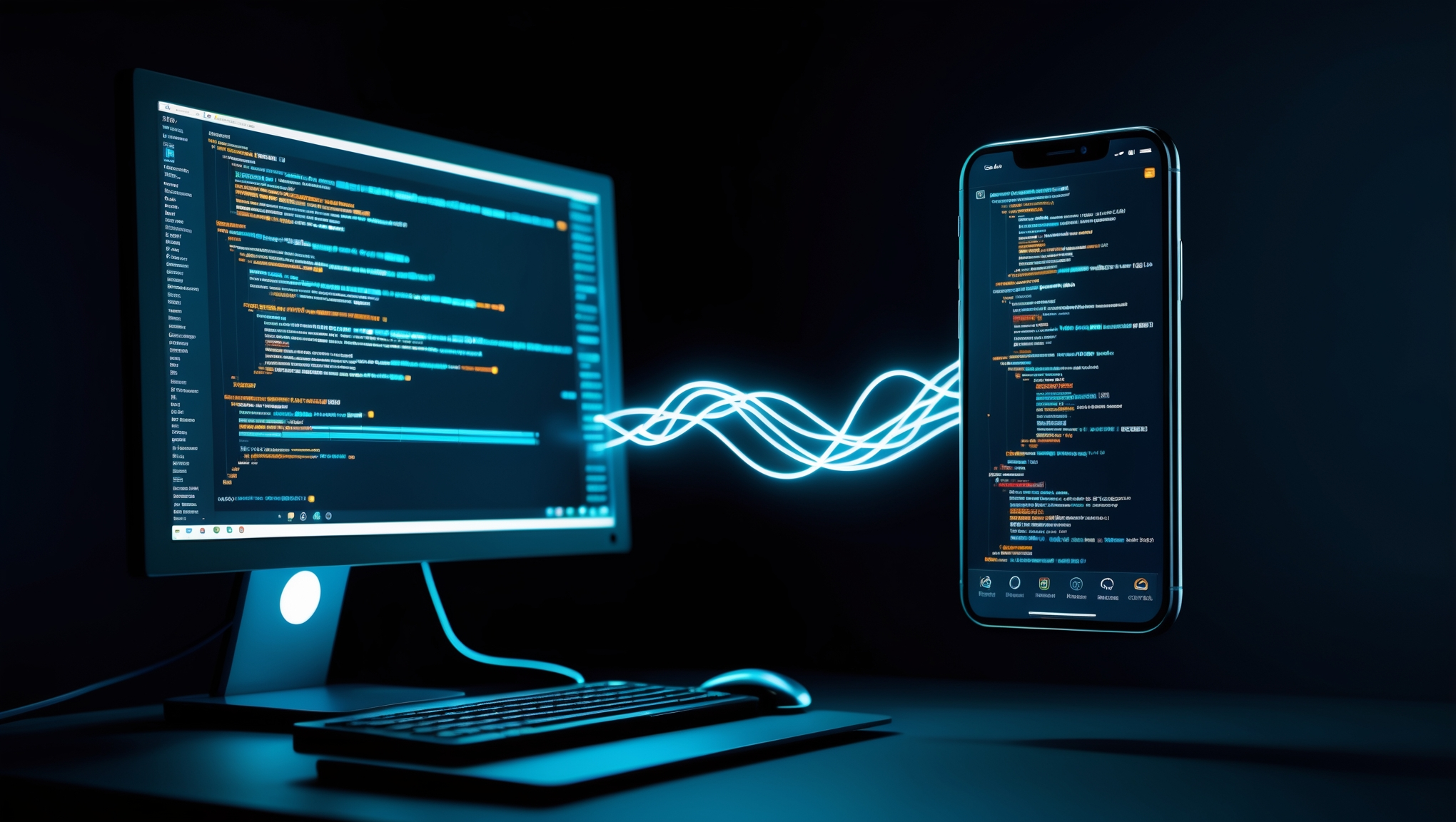
Anthropic just shipped mobile remote control for Claude Code. No SSH hacks. No cloud merges. Your phone becomes a window into your local dev environment — and it changes the builder workflow entirely.
Perplexity just launched a managed multi-model agent platform that orchestrates 19 AI models. It is a direct shot at open-source agent systems — and the architectural trade-offs tell you everything about where this industry is splitting.
We shipped 5 PRs, 10+ CodeRabbit fixes, a live trading bot upgrade, expanded creator intelligence targeting, and a self-healing watchdog — all in a single day. Here's what broke, what held, and what the discipline behind high-velocity AI development actually looks like.

We shipped four bugs past code review, passing CI, and two AI reviewers in a single day. Here's what that taught me about the real limits of agentic coding — and the one discipline that would have caught all of them.
Meta patenting an AI that keeps posting after you die sounds dystopian. It is. But the dystopia isn't the ghost posting — it's what the patent reveals about who actually owns your behavioral data and what they intend to do with it.

We spent years removing the human cognitive ceiling from our AI pipelines. That ceiling was not a limitation. It was load-bearing.
Hollywood gave us the wrong threat model. The real danger of AGI isn't killer robots — it's billions of humans thinking the same thoughts at the same time.

After 16 years building distributed systems and leading engineering teams, here's my honest take on where AI sits in the stack — and what it actually means for your career.

Engineers who refuse AI aren't protecting their craft — they're protecting their ego. Here's the neuroscience behind why expertise makes you more resistant, not less.