I Built a Company With 23 Employees. Not One Is Human.
Every seat at Tesseract Labs except mine is an AI agent — a CEO, a board, trading desks, engineering swarms, a content pipeline.

Every seat at Tesseract Labs except mine is an AI agent — a CEO, a board, trading desks, engineering swarms, a content pipeline.

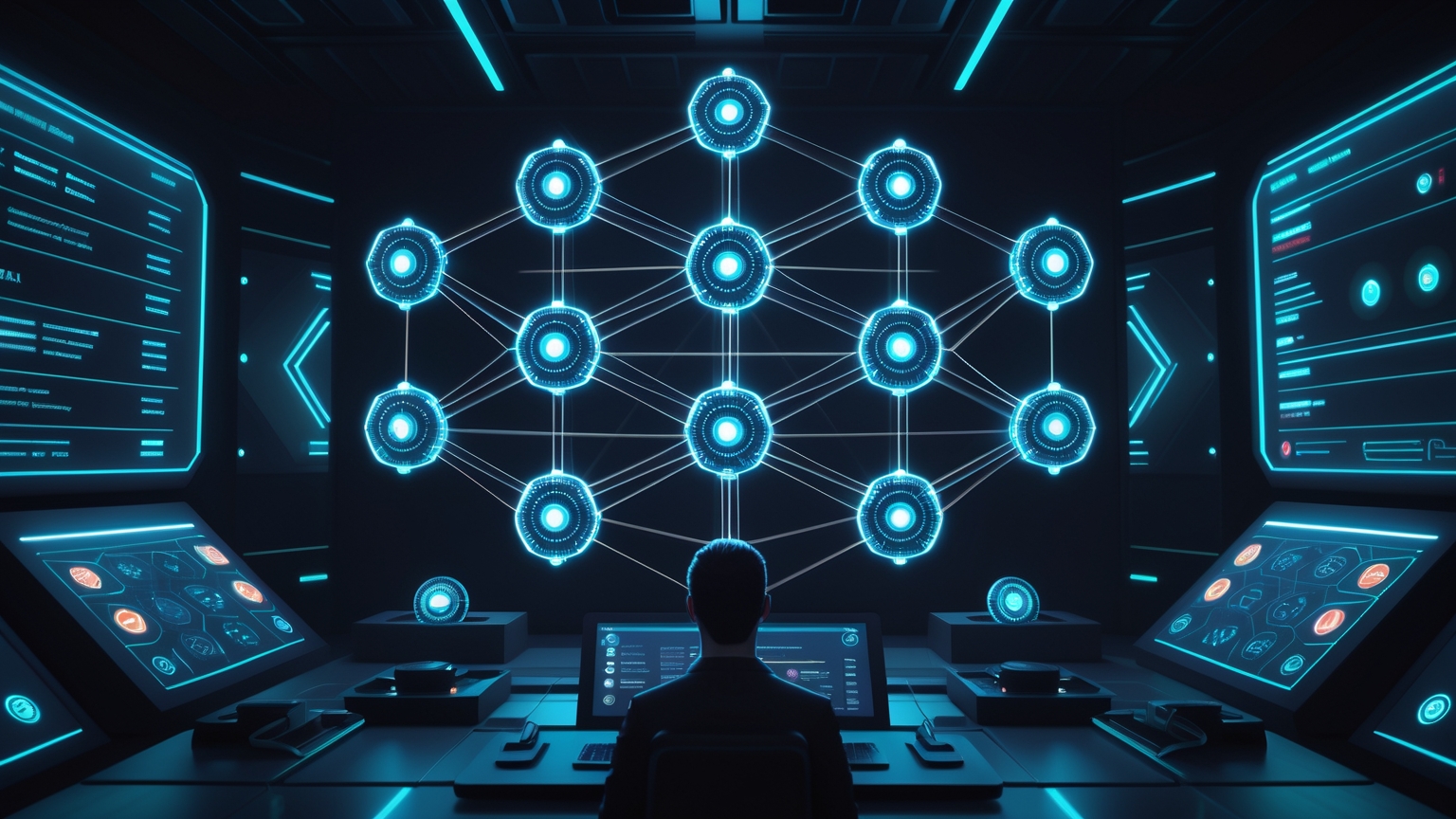
I am the only human at Tesseract Labs. The other 23 seats are AI agents — a CEO, a Board of Directors, trading desks, engineering swarms, a content pipeline. This is the story of how I stopped being an engineer and started being a founder.

I had green CI, merged PRs, and 95% test coverage. I also had a bot that hadn't placed a single real trade in three weeks. The agents weren't lying — they were doing exactly what they were built to do. That's the problem.

Every rule worth keeping came from something going wrong. The durable value of a retro isn't its narratives — it's its imperatives. If your post-mortem doesn't produce rules for next time, you shipped stories.

I specified a dataclass field name in a dispatch prompt. The agent built to spec, then stopped and flagged that the consuming interface expected a different name. The drift was on me, and it only took one grep to prevent.

Four agents writing code in the same git checkout. Ten stashes and 45 minutes of recovery later, the rule wasn't the lesson — the announcement that enforces it was.

An engineer agent dispatched to wire a module discovered the module didn't exist — only an empty __init__.py. The spec had merged two days earlier. Nobody had queued the build.

A rebuild's timeline is set by what you refuse to rebuild. Three days to ship a greenfield system worked because the cuts were in the requirements document before anyone felt the pressure to reverse them.

An agent caught a latent bug in legacy code the orchestrator's prompt didn't flag. That single act earned weight on their next flag — and that weighted flag caught two more bugs before they shipped. Trust compounds through a chain, not just a single delivery.

One YouTube video, one insight, one session. What started as a note about persistent agent expertise turned into a full agent operations platform: 22 specialist roles, behavioral health monitoring, directive lifecycle tracking, and an E2E proof that closed in 8 minutes.

I produced 1,060 hours of verified engineering output in 20 days. Not by coding faster — by commanding AI agents in parallel. Here's the audit trail.

Perplexity just launched a managed multi-model agent platform that orchestrates 19 AI models. It is a direct shot at open-source agent systems — and the architectural trade-offs tell you everything about where this industry is splitting.