AI◆ Deep Dive
I Built a Company With 23 Employees. Not One Is Human.
Every seat at Tesseract Labs except mine is an AI agent — a CEO, a board, trading desks, engineering swarms, a content pipeline.
June 1, 20269m read
Every seat at Tesseract Labs except mine is an AI agent — a CEO, a board, trading desks, engineering swarms, a content pipeline.

I am the only human at Tesseract Labs. The other 23 seats are AI agents — a CEO, a Board of Directors, trading desks, engineering swarms, a content pipeline. This is the story of how I stopped being an engineer and started being a founder.

A trading bot ran dead for seven hours before I noticed. That failure taught me that 'process alive' and 'system healthy' are not the same sentence. Here's how I built infrastructure that heals itself, documents itself, and gets smarter every time it breaks.
The biggest shift in AI is not model quality. It is the emergence of a capital regime where only companies with enormous loss tolerance can afford to discover the next viable product category.
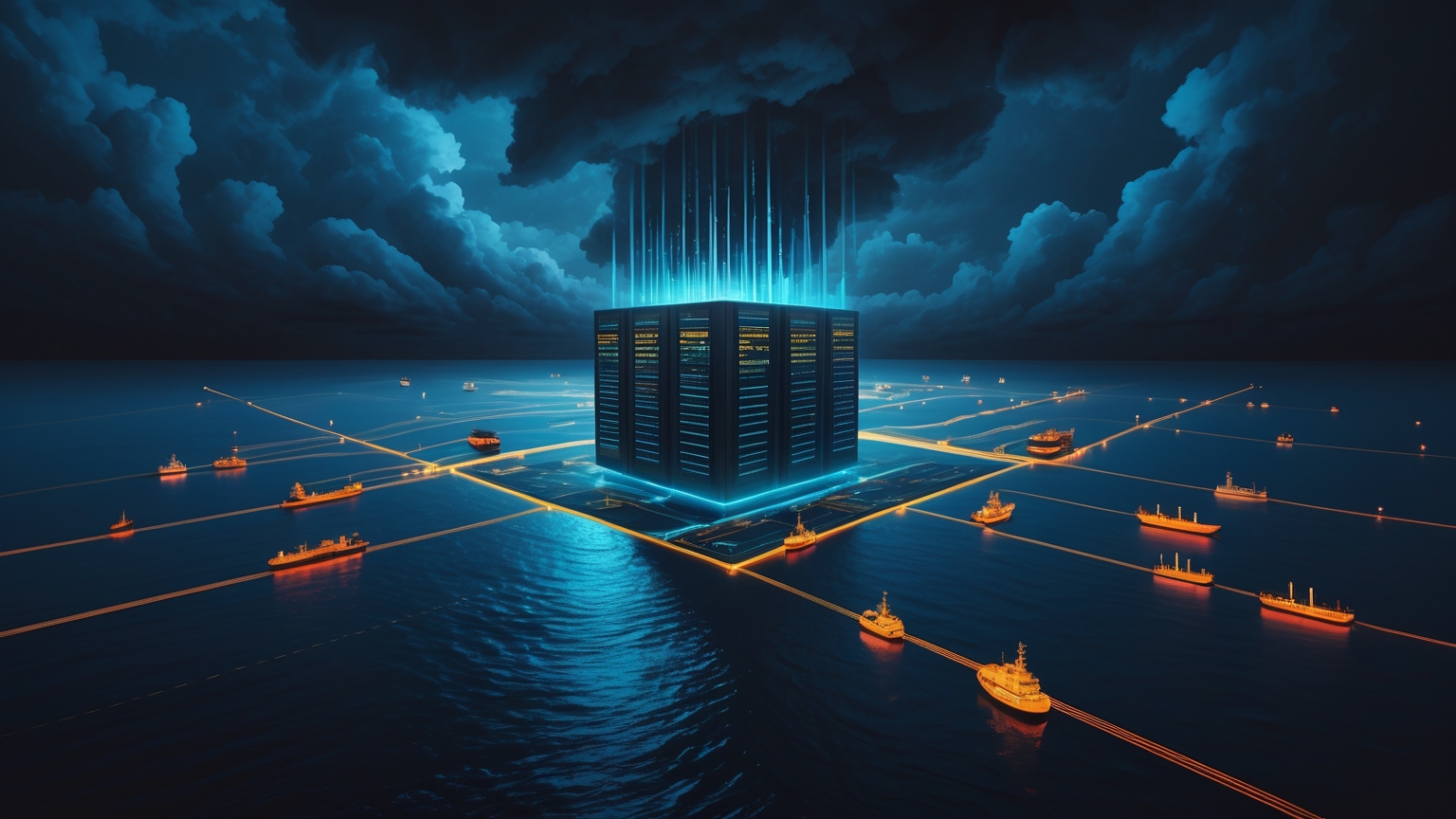
The clean-room story about AI was always incomplete. Model competition sits on top of energy systems, shipping lanes, and coercive state power whether Silicon Valley wants to admit it or not.
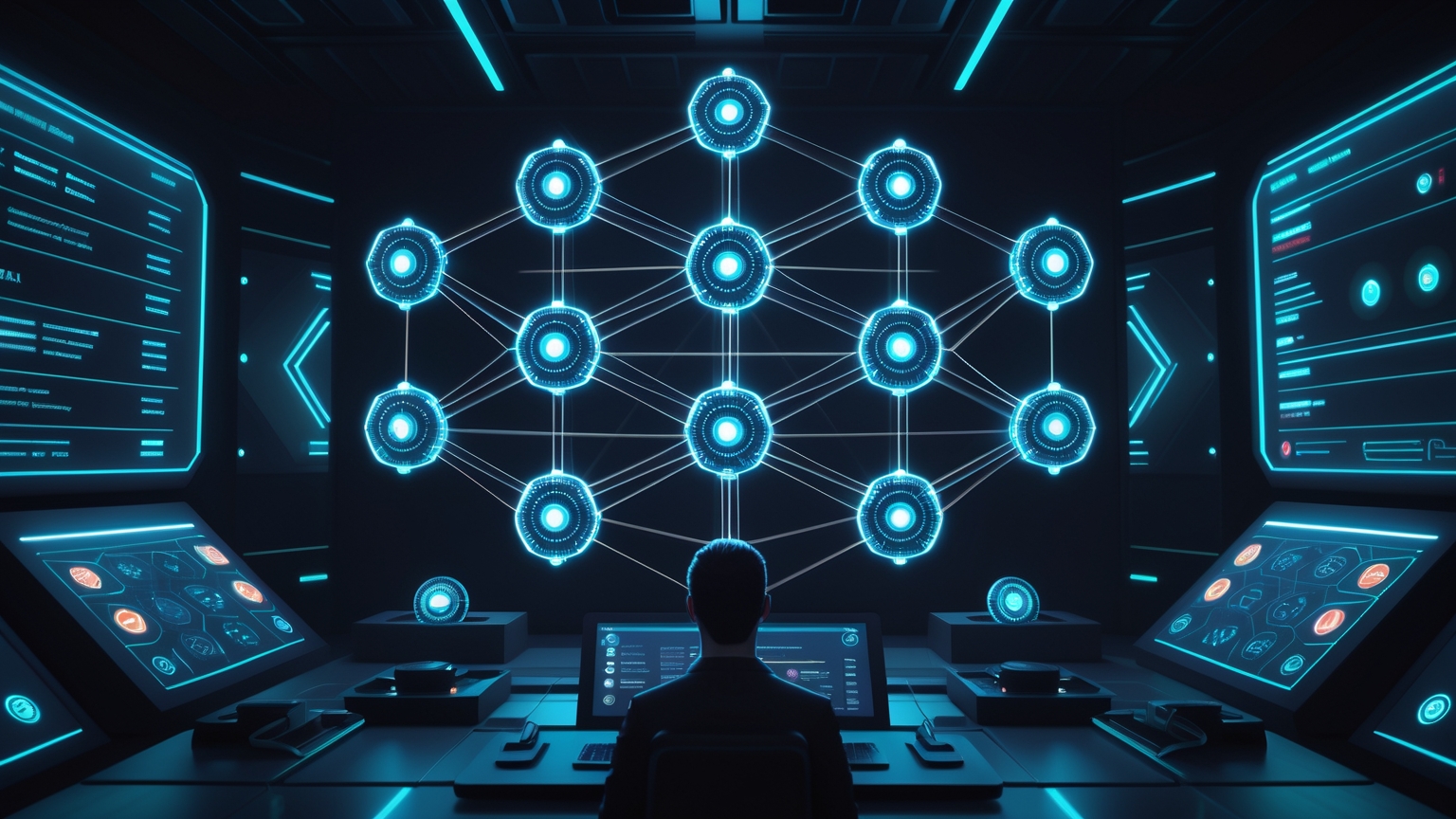
One YouTube video, one insight, one session. What started as a note about persistent agent expertise turned into a full agent operations platform: 22 specialist roles, behavioral health monitoring, directive lifecycle tracking, and an E2E proof that closed in 8 minutes.
100+ markdown files across 7 locations. Zero semantic search. I built a vector-powered knowledge system that indexes everything I know and serves it to every consumer in the stack — and named it after the cosmic library of all existence.
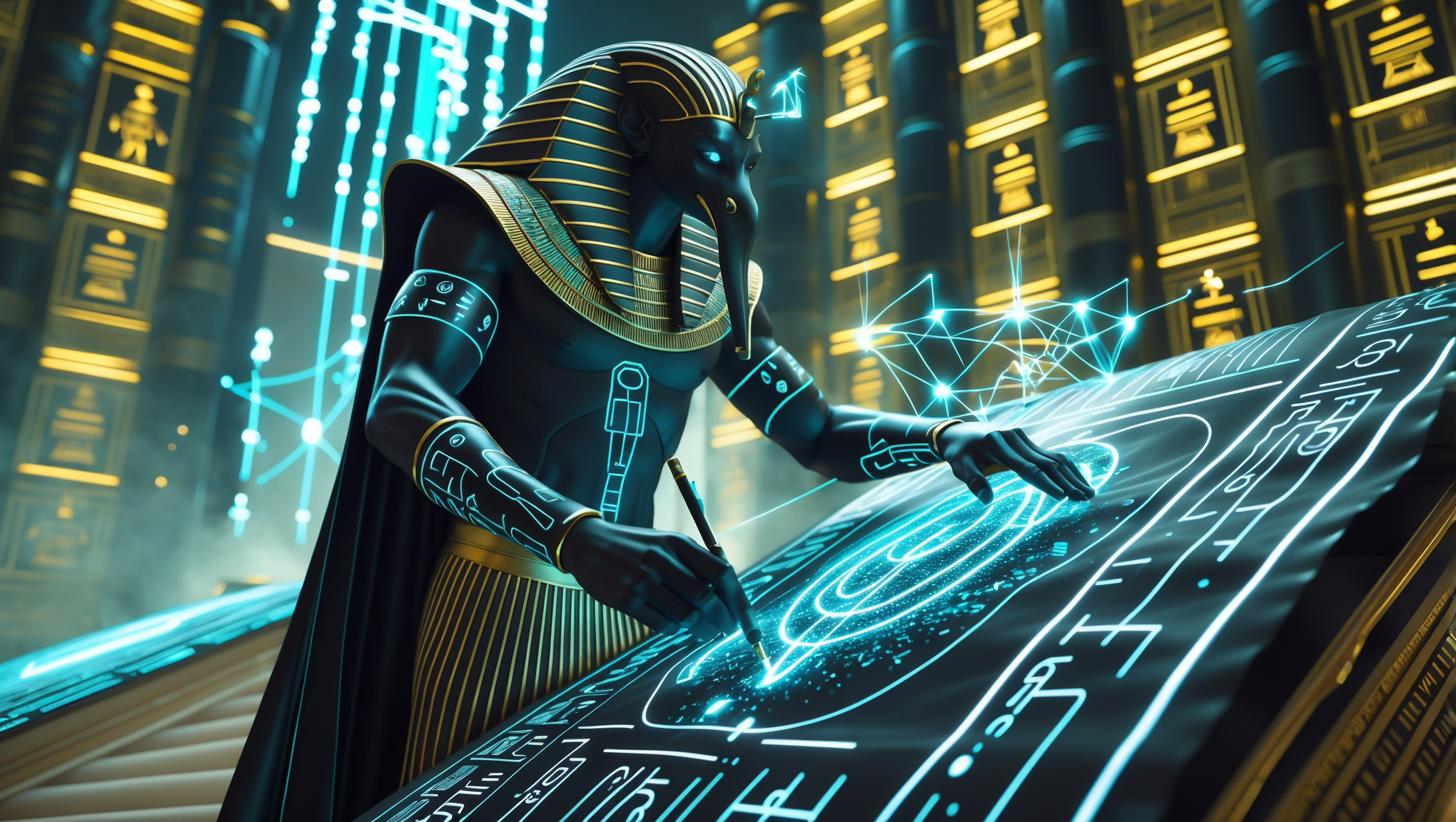
In Egyptian mythology, Thoth maintained the Akashic Records — the cosmic library of all existence. In our stack, the same relationship emerged organically. A documentation engine that writes knowledge and a vector store that makes it searchable. The scribe feeds the library.
Perplexity just launched a managed multi-model agent platform that orchestrates 19 AI models. It is a direct shot at open-source agent systems — and the architectural trade-offs tell you everything about where this industry is splitting.
A $50-bet live trading bot silently hung for 7 hours while generating STRONG signals. No alerts. No restarts. I diagnosed the asyncio event loop failure, killed the process manually, and then built Horus — a self-healing watchdog daemon that would have caught it in under 10 minutes.