Sun Tzu Applied to Markets: 5 Principles Every Trader Needs
I've studied military doctrine since JROTC in 2000. The principles that win wars also win markets — if you understand what's actually being said.
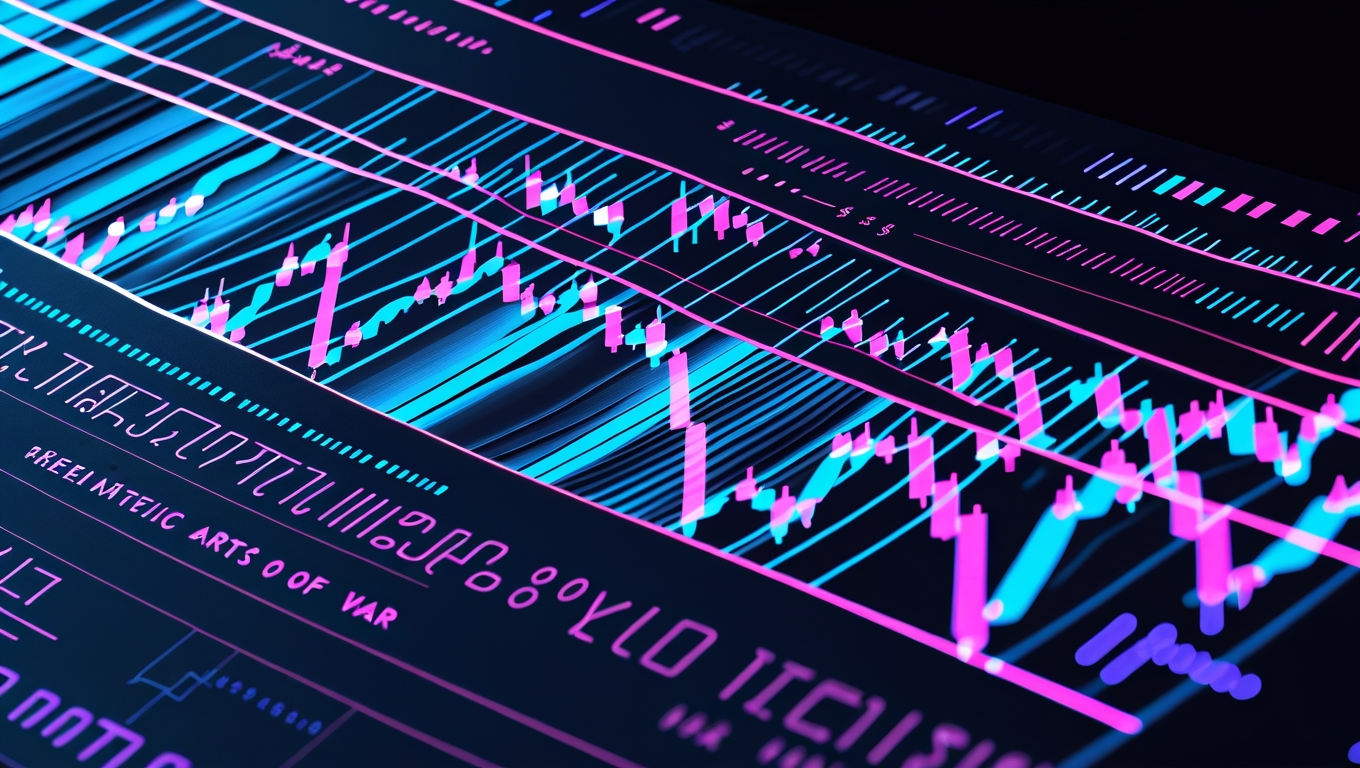 ⊕ zoom
I've been studying military strategy since 2000. JROTC at 14. Sun Tzu at 15. Clausewitz at 17. By the time I started trading in 2017, I wasn't just reading charts — I was reading campaigns.
The markets are not a math problem. They're a battlefield with incomplete information, opposing actors, and a fog of war that most participants can't navigate.
Here are 5 principles that changed how I trade.
1. "Know the Enemy and Know Yourself"
If you know the enemy and know yourself, you need not fear the result of a hundred battles. If you know yourself but not the enemy, for every victory gained you will also suffer a defeat.
— Sun Tzu · The Art of War
In markets: the "enemy" is institutional money. Smart money. The actors moving billions across timeframes you can't see.
Most retail traders don't study the enemy. They watch price action and call it analysis. Real analysis asks: who is on the other side of this trade, and why?
Doctrine: Before entering any position, I ask: what does the actor taking the opposite side believe? What's their thesis? What would make them wrong? This is not paranoia — it's intelligence work.
2. "Supreme Excellence Consists in Breaking the Enemy's Resistance Without Fighting"
Positioning before the move is the trader's version of this principle.
The amateur waits for confirmation. The professional is already positioned when the move happens. They don't fight the market — they anticipated it.
InDecision Framework was built around this: identify the setup before it's obvious, not while it's happening.
3. "All Warfare Is Based on Deception"
Markets are adversarial. Large actors create false moves to stop-hunt retail positions, shake weak hands, and accumulate/distribute at favorable prices.
If you don't know this happens, you're the one being deceived.
Warning: Any move that looks "obvious" and triggers a mass retail reaction should be treated as suspect. Institutional deception is routine — not exceptional.
4. "The General Who Wins Makes Many Calculations"
Clausewitz called it coup d'œil — the ability to immediately see the whole picture with clarity. Commanders who win don't react; they've already played the scenario 10 times in their head.
InDecision's 6-factor scoring is my version of pre-battle calculation. By the time the signal fires, I've already simulated: what happens if this is wrong? What's my exit? What's my max drawdown tolerance?
Never enter a trade without having already exited it — in your head.
5. "In the Midst of Chaos, There Is Also Opportunity"
In the midst of chaos, there is also opportunity.
— Sun Tzu · The Art of War
Market panics, flash crashes, macro shocks — these are not threats to the prepared trader. They're the clearest setups in the market.
Signal: My highest-conviction InDecision scores historically appear in the 24-48 hours following major market disruptions — when fear dominates retail sentiment and institutional accumulation begins.
Military doctrine and market doctrine are the same discipline applied to different battlefields. The principles don't change. The stakes do.
Study both. Apply one.
The trading intelligence methodology behind this is taught in the Competitive Intelligence track. 8 lessons.
Start the Competitive Intelligence track →Explore the Invictus Labs Ecosystem
Follow the Signal
If this was useful, follow along. Daily intelligence across AI, crypto, and strategy — before the mainstream catches on.

CJNG's Center of Gravity Just Fell. Here's Why That Makes Mexico More Dangerous.
Killing the most wanted cartel kingpin in the world sounds like a victory. Clausewitz would say: it depends on whether he was actually the center of gravity — or just the most visible node.
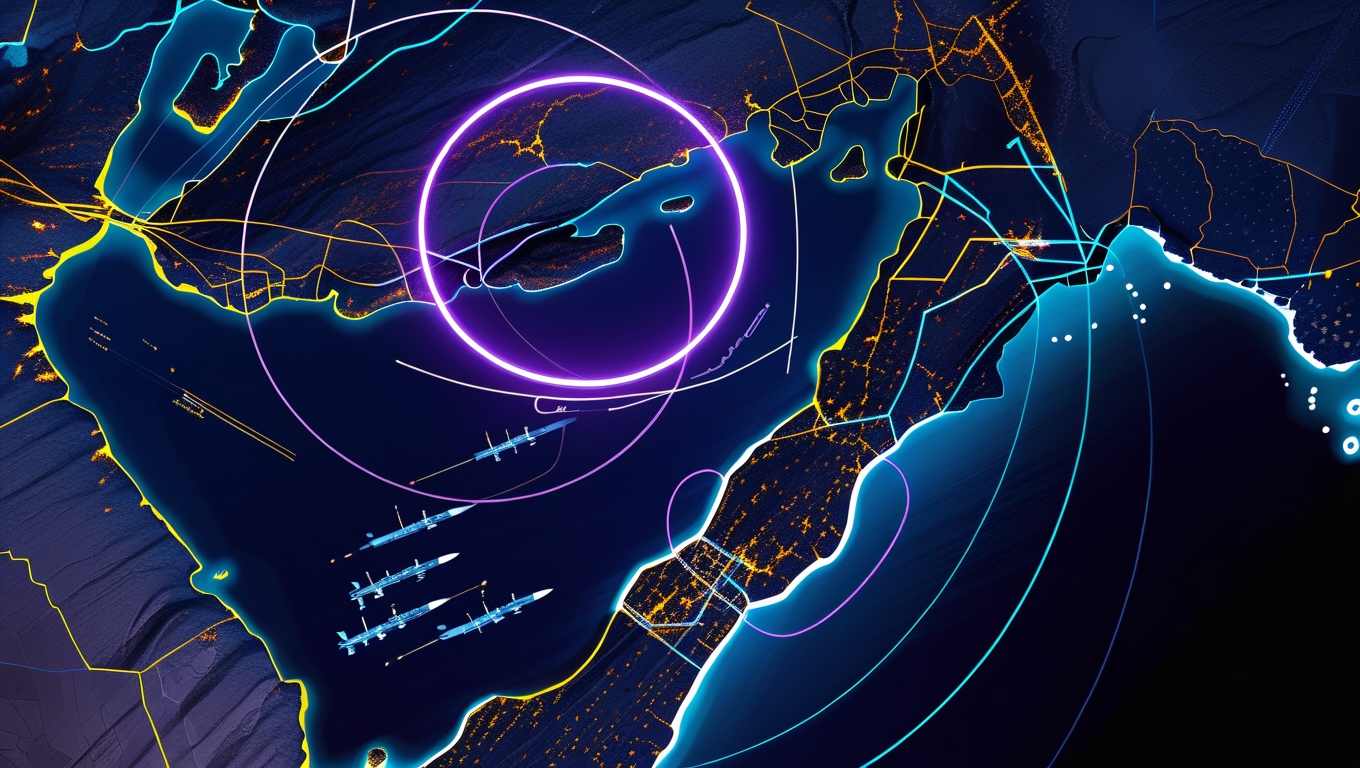
Iran's A2/AD Play: Why the Strait of Hormuz Just Got More Complicated
Whether or not Iran's new naval missile is actually hypersonic is the wrong question. The right question is what a 90-mile sea-based SAM bubble does to the strategic calculus for US carrier operations in the Persian Gulf.

Ukraine's Robot Army and the Death of Attrition Warfare
In July 2025, Ukraine captured Russian soldiers using an assault force made entirely of drones and robots. The future of land warfare isn't theoretical anymore — it's operational. The strategic implications for everything from conscription to defense economics haven't been absorbed yet.